Your data engineering team is doing the work. Pipelines are up and running. Tickets are getting closed.
Yet data engineering for AI is a different game, and the gap is starting to show. AI initiatives keep stalling. Leadership keeps asking for cleaner data. The same problems resurface every quarter under a slightly different name. The issue is rarely the team itself. More often, it comes down to the goals for the data engineering team and whether those goals reflect the business’s current priorities.
Here are five signs your data engineering team may be working hard on the wrong things.
Your Team Owns Pipelines, Not Outcomes
Ask a simple question during your next review:
Which business decision depends on this pipeline?
Most teams can explain how a pipeline works. Fewer can explain who uses the data, how often it is consumed, or what happens when it breaks. When success is defined as “the pipeline is live,” teams naturally focus on uptime, throughput, and delivery. Those metrics matter, but they do not tell the whole story. Consider measuring whether critical datasets are available when the business needs them, whether reporting deadlines are being met, and whether downstream users trust the data they receive.
The technical work may not change much. What changes is how success is measured.
Analysts Are Finding Data Problems Before Engineers Do
In many organizations, data quality issues are first discovered by analysts rather than the engineers who built the pipeline.
That is usually a sign of a process gap.
A column name changes somewhere upstream. A transformation starts acting weird after a source system update. A join breaks quietly, no error message. Everything looks fine on the dashboard until someone pulls up a report that does not look right.
By then, the problem has already reached the business.
The cost is significant. A 2025 IBM Institute for Business Value report found that 43% of chief operations officers identify data quality as their most important data priority, with more than a quarter estimating annual losses exceeding $5 million due to poor data quality.
When AI systems depend on that same data, the stakes go way up. Poor-quality data does not just mess up dashboards. It affects recommendations, predictions, and automated decisions. The teams that consistently deliver reliable data treat quality as part of the engineering process. Schema validation, data contract testing, and anomaly detection are built into the pipeline from the start rather than added after problems surface.
If data quality issues are regularly being identified outside the engineering team, ownership may not be where it needs to be.
The Team Is Reactive, Not Roadmap-Driven
Look at your last three sprints.
How much work was planned? How much was pulled in after the sprint started?
Every team deals with urgent requests. The problem starts when reactive work becomes the default operating model. Ad hoc data pulls, production issues, undocumented fixes, and last-minute stakeholder requests consume time that was originally allocated to longer-term improvements.
Over time, the roadmap begins to slip.
Platform upgrades get postponed. Documentation falls behind. Data quality initiatives remain unfinished. The team stays busy, but the same problems continue to appear because nobody has enough time to address the underlying causes. One useful exercise is to measure how much engineering capacity is spent on unplanned work. The answer is often revealing.
Modernization Is Treated as a Finished Project
One of the most common mistakes organizations make is treating modernization as something that can be completed. The migration happened. The cloud platform went live. The project was declared a success.
Then the business changed.
New data sources appeared. AI initiatives introduced new requirements. Costs increased. Performance expectations shifted. Technology platforms evolve continuously. Data engineering teams that treat modernization as a one-time project often find themselves dealing with growing technical debt a few years later. The strongest teams view modernization as an ongoing discipline. Architecture reviews, platform optimization, governance improvements, and automation become part of regular planning rather than occasional projects.
At Narwal.ai, modernization conversations rarely start with technology. They start with business goals. As priorities change, data platforms need to evolve alongside them. That often means revisiting architecture, governance, pipelines, and operating models long after a migration project has been completed.
The Team Has No Goals Tied to Data Engineering for AI
Many organizations are investing heavily in AI while continuing to manage their data platforms exactly as they did before.
That creates problems.
Feature stores, low-latency pipelines, lineage tracking, observability, and model-ready datasets are all data engineering concerns. If those capabilities are not part of the discussion, AI projects often run into avoidable delays. In practice, AI tends to expose weaknesses that already existed. Missing lineage. Inconsistent definitions. Poor-quality source data. Limited visibility into how data moves across systems.
The challenge is not always the model. Often, it is the data layer underneath it.
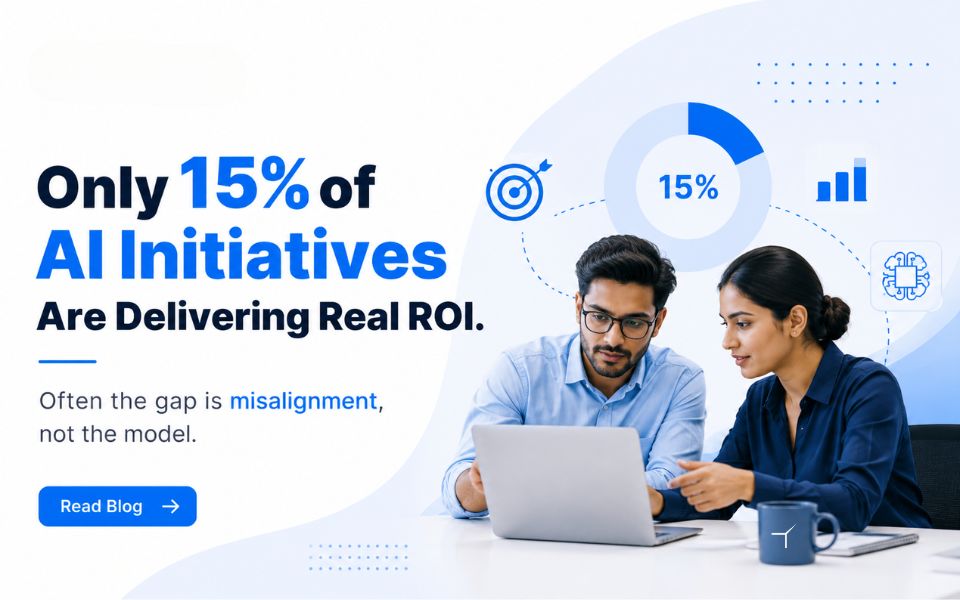
According to Forrester‘s Predictions 2026 report, only 15% of AI decision-makers reported EBITDA improvements from AI investments during the previous year, and enterprises are expected to delay 25% of planned AI spending into 2027 because of ROI concerns.
Data engineering teams do not need to become machine learning teams. They do need to understand how AI initiatives will change expectations around data quality, governance, accessibility, and performance.
Where to Start
If more than two of these signs sound familiar, resist the urge to immediately look for a new tool or additional headcount.
Most AI initiatives stall not because of underinvestment, but because of a lack of clarity about where the organization actually stands. Narwal’s data engineering consulting services start by measuring that readiness, assessing business objectives, platform maturity, and existing data workflows, before any recommendations are made. From there, we help organizations prioritize the data engineering investments that will have the greatest impact on reporting, analytics, and AI initiatives. Our AI Maturity Assessment is a useful starting point for teams that want to measure readiness before they scale.
What Happens Next?
Most data engineering teams are not short on effort.
Teams can spend months improving pipelines, migrating platforms, and closing tickets while the business continues to deal with reporting delays, recurring data quality issues, and stalled AI initiatives. That is often a sign that the goals need a closer look. Before investing in another platform or expanding the team, ask a simpler question:
Are we solving the problems that matter most right now?
Frequently Asked Questions
The most effective goals for a data engineering team go beyond pipeline delivery and platform maintenance. Teams should be measured on outcomes such as data reliability, data quality, accessibility, reporting performance, and support for analytics and AI initiatives. Strong goals connect engineering efforts to business needs rather than focusing exclusively on technical metrics.
Common signs include a high volume of reactive work, recurring data quality issues, poor alignment with business initiatives, and difficulty supporting new analytics or AI projects. If the team is consistently busy but business stakeholders continue to raise the same concerns, it may be time to reassess priorities and success metrics.
Data quality affects every downstream process that depends on data, including reporting, analytics, forecasting, and AI models. Poor data quality can lead to inaccurate business decisions, reduced trust in reporting, operational inefficiencies, and costly rework. For many organizations, improving data quality delivers more value than adding new tools or platforms.
Data engineering provides the infrastructure required for successful AI adoption. This includes reliable data pipelines, lineage tracking, governance, observability, feature-ready datasets, and scalable data platforms. Without a strong data foundation, AI projects often struggle to deliver meaningful business value.
Organizations often engage data engineering consulting services when they face recurring data quality issues, increasing technical debt, platform modernization challenges, or difficulties supporting analytics and AI initiatives. An external assessment can help identify gaps in architecture, processes, and team priorities while providing a roadmap for improvement and growth.
Related Posts
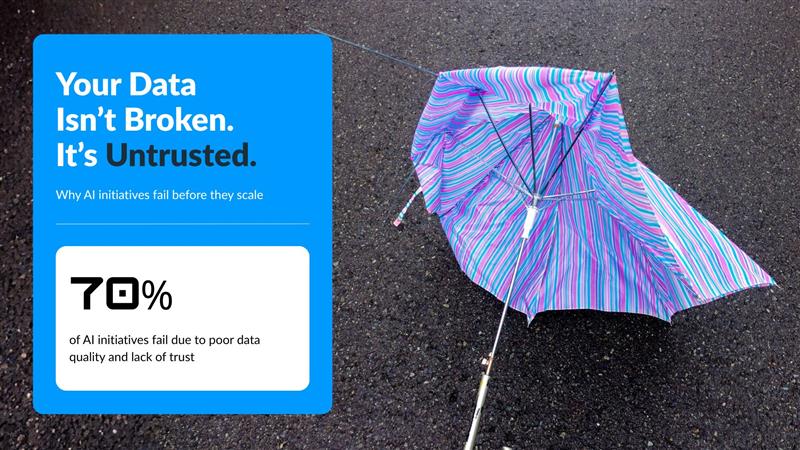
Data Governance for AI: Building Trusted Enterprise Data for an AI-Driven Future
Data governance for AI is no longer optional. Digital transformation has reached a stage where data is no longer a supporting asset, it is the foundation of decision-making, customer engagement, and enterprise innovation. Organizations have…

- Apr 10
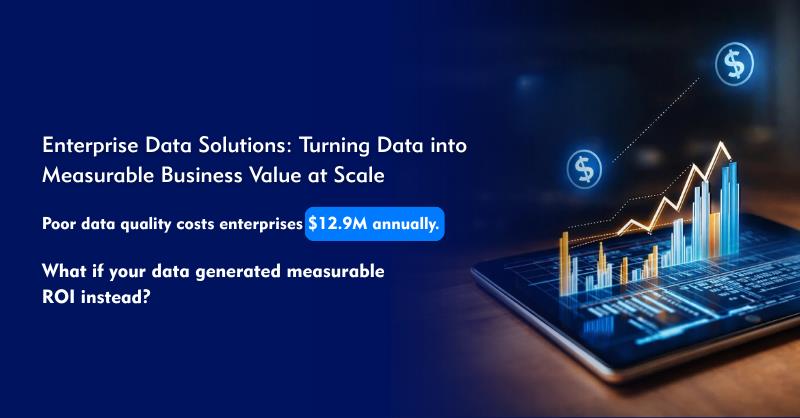
Enterprise Data Solutions: Turning Data into Measurable Business Value at Scale
In today’s digital economy, enterprise data solutions have become the backbone of strategic decision-making, operational efficiency, and AI-driven innovation. Organizations generate massive volumes of structured and unstructured data across ERP systems, CRM platforms, SaaS applications,…
- Feb 26
Categories
Latest Post


AI document processing: automating binder-to-policy review
- October 1, 2026


How AI Tests AI: Inside Autonomous Quality Engineering
- September 18, 2026
google-site-verification: google57baff8b2caac9d7.html

Headquarters
8845 Governors Hill Dr, Suite 201
Cincinnati, OH 45249
Our Branches
Cincinnati | Jacksonville | Indianapolis | London | Hyderabad | Bangalore | Pune
Narwal | © 2024 All rights reserved